
MEDIcept Insights
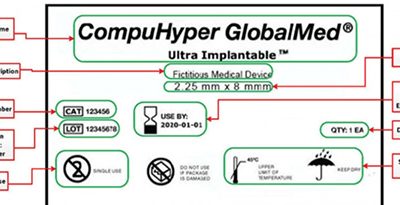
New Unique Device Identifier Deadline Approaches
A Unique Device Identifier (UDI) is a numeric or alphanumeric code that is assigned to a medical device. These codes are entirely unique, designed as a method to easily identify and determine the use of devices sold in the United States and Europe. The purpose of a...

New FDA Guidelines Affect Labeling Consideration for Intravascular Devices with Lubricious Coatings
Since their introduction two decades ago, hydrophilic and hydrophobic coatings on intravascular devices such as catheters, wires, and delivery systems have proven highly popular for decreasing the frictional force when the devices are introduced into the vasculature....

Virtual Audit Planning
Virtual audits are our current situation; yes, it’s a bit out of our collective comfort zone, but it beats not performing audits at all during this time of uncertainty. Quality System compliance can still be assessed no matter the environment, with a few key changes...

FDA Refuse-to-Accept (RTA) Guidance
The Federal Food and Drug Administration has revised its refuse-to-accept (RTA) policy for 510(k) submissions to clarify its guidance after the agency noted that its staff was spending too much time drafting extensive letters requesting additional information needed...
FDA Updates Special 510(k) Guidance
FDA’s Special 510(k) submission process has been around for years as an expedited method to demonstrate that the device to be marketed is at least as safe and effective (i.e., substantially equivalent), to a legally-marketed device not subject to the Premarket...

Metal Implants: FDA’s November, 2019 Immunology Devices Panel Meeting
The Immunology Devices Panel of the FDA’s Medical Device Advisory Committee met in November to discuss the topic of immunological responses to metal-containing products regulated as medical devices. The panel focused on metal-containing implants as well as dental...